In this article3 sections
Before children solve equations, write essays or prepare for examinations, they are already learning how to observe, question, connect and make sense of the world. The early years are not just preparation for school; they are the foundation for how a child learns.
Thinking skills begin before formal learning
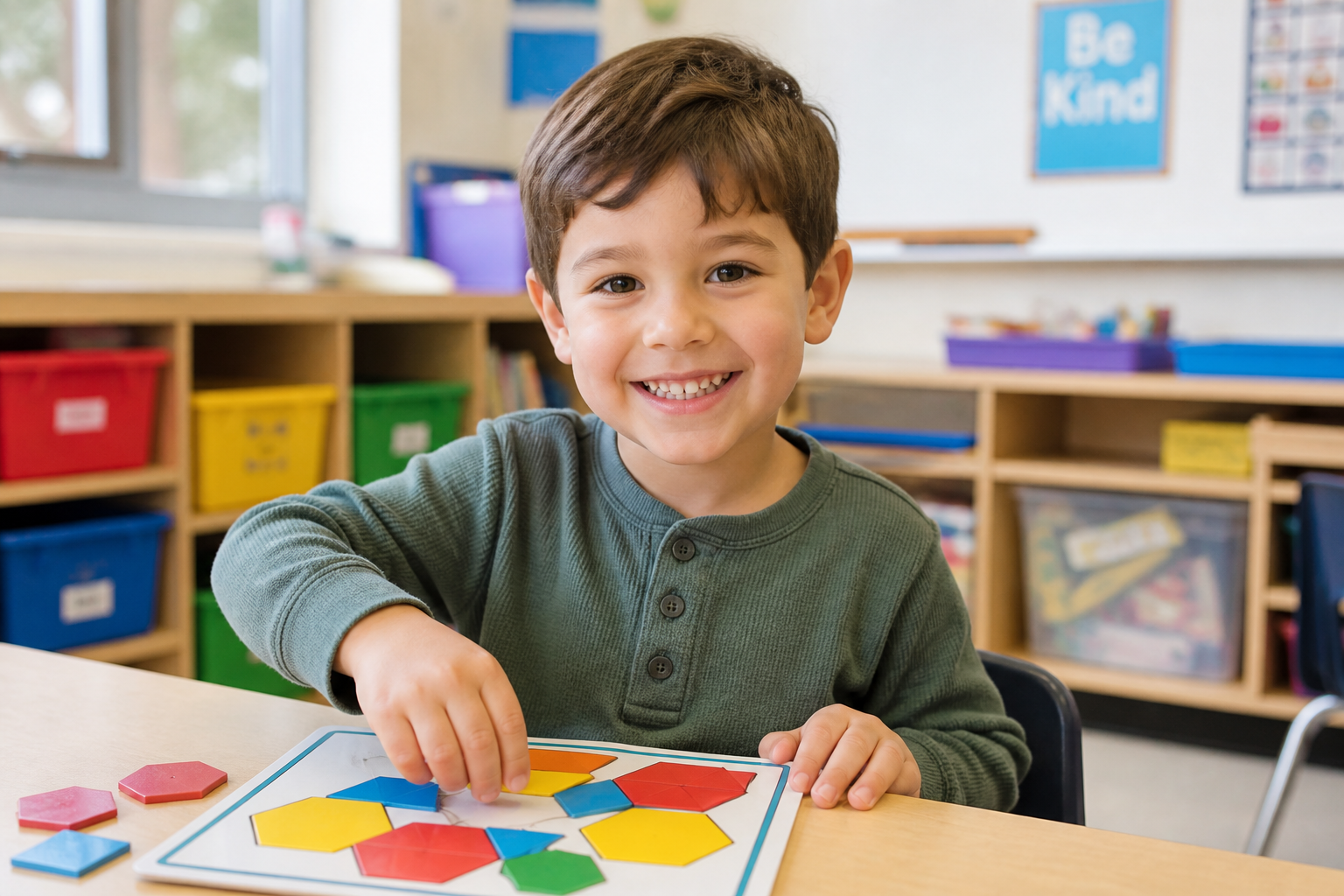
When a child notices differences, recognises a pattern, predicts what might happen, tries another way after a mistake or asks why something works, the child is doing more than playing. They are beginning to think.
Five thinking foundations children can develop early
- 1
Observation
Notice details, differences, similarities, changes and relationships.
- 2
Curiosity
Ask why and how, becoming an active learner.
- 3
Pattern recognition
Recognise patterns in shapes, colours, numbers, sounds and routines.
- 4
Reasoning
Connect observations with conclusions.
- 5
Problem-solving
Try different ways and learn that a problem can have more than one approach.
Thinking is not the same as early academics
The goal is not how much a child can memorise. It is how the child observes, understands, explores and responds.
Why start early?
Early childhood gives children countless opportunities to develop thinking naturally: Observe → Explore → Question → Connect → Reason → Solve. These foundations grow alongside academic learning from kindergarten onwards.
“Develop a habit of how to think, not what to think.”
For schools
See what an Academic Health Report reveals about your cohort.
Register your school to receive dimension-level insights for every learner, benchmarked at school, national and international level.
Register your school