
In this article5 sections
International assessments have traditionally helped compare academic performance across students, schools and countries. But the needs of today's learners are changing. A future-ready assessment should ask not only what a child answered correctly, but how the child thought, reasoned, applied and solved.
In short
- Assessment is evolving beyond the measurement of memory.
- Understanding, reasoning, application and problem-solving deserve visibility.
- A learner profile is more useful than a single score.
- The future of assessment is about asking better questions.
Assessment is evolving
The purpose of assessment is gradually moving beyond simply measuring how much information a learner can remember. A more meaningful assessment looks at understanding, reasoning, application, problem-solving and analytical thinking. The goal is not to replace academic assessment, but to make it more meaningful.
What should future assessments measure?
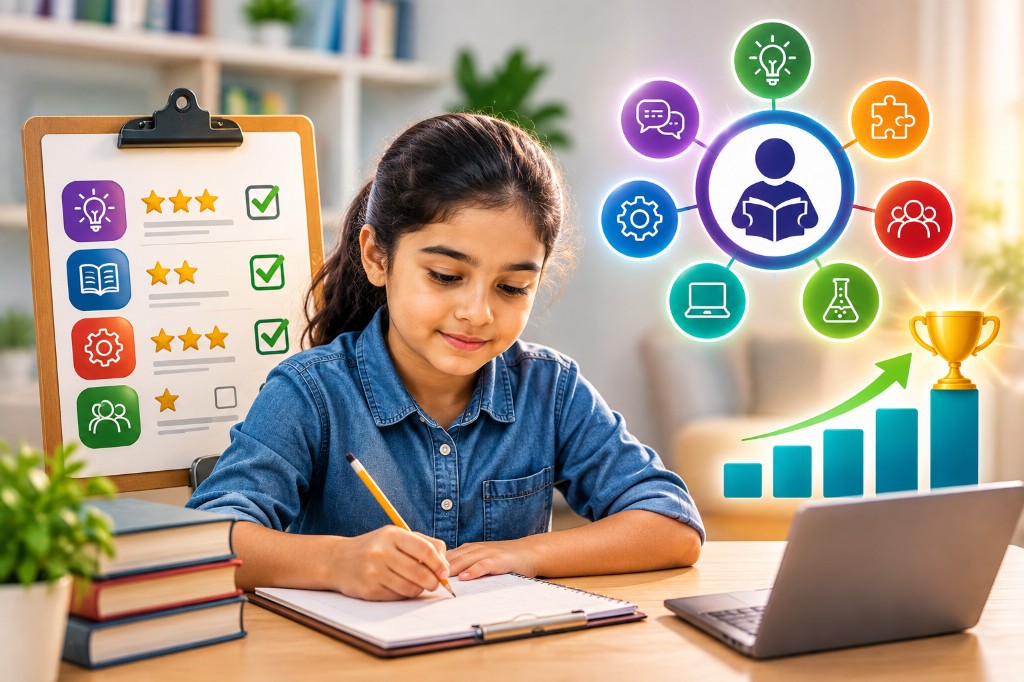
Six dimensions of future-ready learning
- Understanding — can the learner make sense of a concept?
- Reasoning — can the learner connect information and reach a conclusion?
- Application — can the learner use knowledge in a new situation?
- Problem-solving — can the learner approach an unfamiliar problem?
- Analytical thinking — can the learner examine information before deciding?
- Learning readiness — what does the current profile suggest about future development?
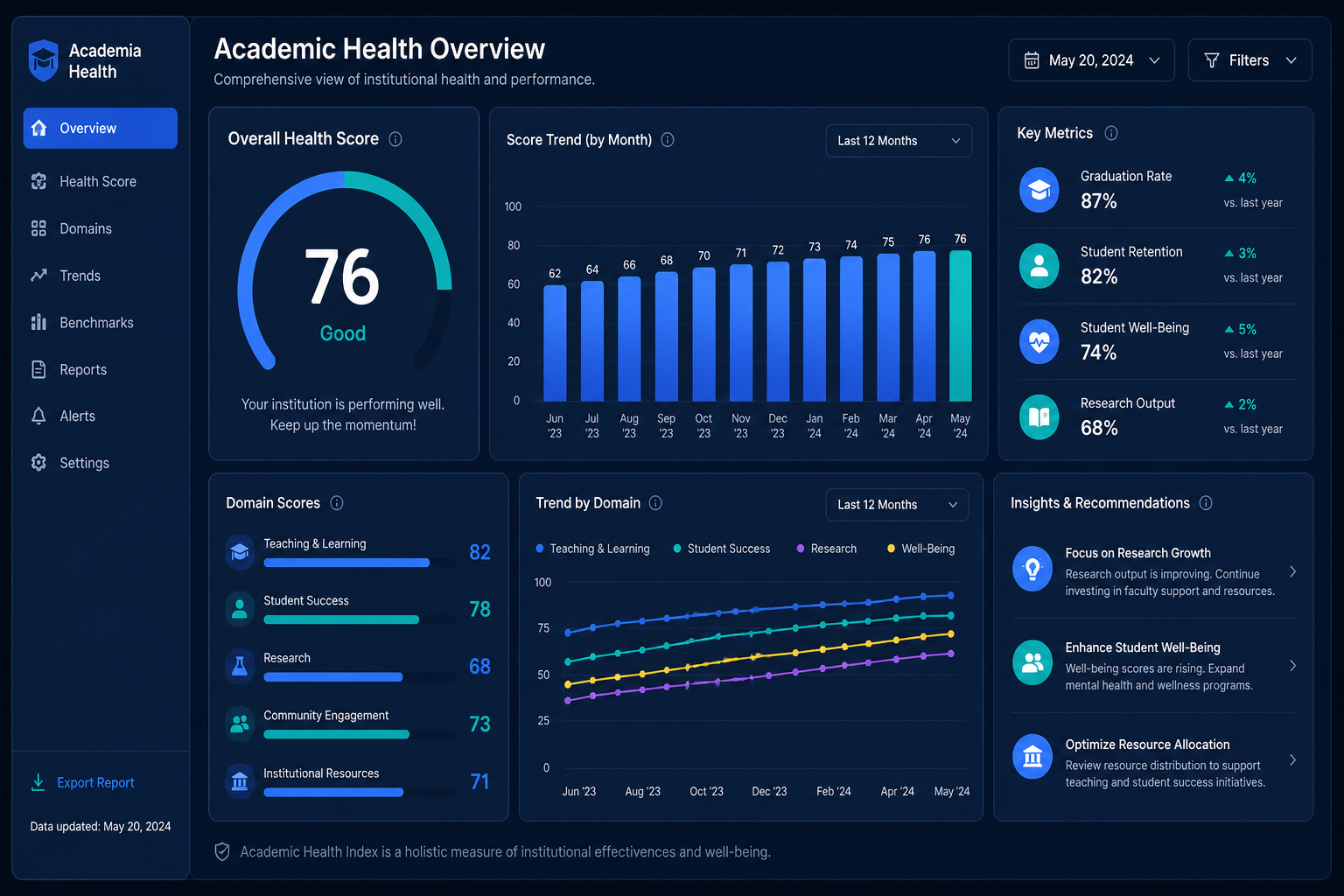
From one score to a learner profile
Two ways to see an assessment
| Traditional assessment | Future-ready assessment | |
|---|---|---|
| The journey | Question → Answer → Marks | Question → Thinking → Understanding → Application → Insight |
| What it provides | A snapshot of performance | A deeper understanding of how a child approaches learning |
The journey
Traditional assessment
Question → Answer → Marks
Future-ready assessment
Question → Thinking → Understanding → Application → Insight
What it provides
Traditional assessment
A snapshot of performance
Future-ready assessment
A deeper understanding of how a child approaches learning
International competition, deeper understanding
International Olympiads can do more than identify students who perform exceptionally well. They can encourage learners to think beyond familiar questions, apply concepts in unfamiliar situations, reason before reaching an answer, solve problems independently and develop confidence in their own thinking. International assessment can become a tool for learning—not merely ranking.
“The future of assessment is not about asking more questions. It is about asking better questions.”
The Epoch perspective
At Epoch Olympiad Foundation, we envision international assessments that provide meaningful insights into how children understand, reason, apply and learn. That is why our approach looks beyond marks and towards deeper academic insight.
Questions parents ask
Are future-ready assessments replacing academic assessment?
No. They complement academic assessment by making understanding, reasoning, application and problem-solving more visible.
Why is a learner profile useful?
A profile shows how a child approaches learning, so parents and educators can recognise strengths and provide more targeted support.
For schools
See what an Academic Health Report reveals about your cohort.
Register your school to receive dimension-level insights for every learner, benchmarked at school, national and international level.
Register your school